

Calm Days Out Near London for Neurodiverse Families
Quiet, low-pressure places with indoor + outdoor flexibility
Planning family days out near London can often feel more overwhelming than the day itself.
For many neurodiverse families, the challenge is rarely deciding where to go – it’s whether a place will still feel manageable once you arrive. Crowds, queues, noise, sensory overload, and constant transitions can quickly turn even a simple outing into something stressful.
Over time, we’ve found that the most successful days out aren’t necessarily the most popular attractions, but the ones that offer space, flexibility, and the freedom to move between indoor and outdoor environments at your own pace.
This guide brings together the most calm, flexible days out near London for neurodiverse families, including National Trust estates, parks, museums, animal attractions, riverside walks, and green spaces. Each has been chosen not just for what it offers, but for how adaptable it is in real life – especially when energy levels, sensory needs, or unexpected challenges change throughout the day.
The aim here isn’t a “perfect itinerary” – it’s flexibility, predictability where possible, and reducing overwhelm so families can actually enjoy their time together.
What makes a calm day out near London?
Certain features consistently make days out easier for neurodiverse families:
- Flexible pacing with no fixed schedule
- Space to move away from crowds when needed
- Ability to switch between indoor and outdoor environments
- Clear exit points if energy levels drop
- Opportunities to pause without the day feeling “wasted”
In our experience, a shorter, calmer visit is almost always more successful than trying to pack everything in. The goal is not to do it all — it’s to create a day that can be adjusted in real time.
“Below are our favourite calm, flexible days out within easy reach of London, all tested in real family situations where pacing and space mattered more than ticking everything off.”
🍃 National Trust estates and historic spaces
Cliveden (Buckinghamshire)

Michael Coppins, CC BY-SA 4.0, Wikimedia Commons
Why it works
Cliveden is a large estate where visitors naturally spread out, so even on busier days it rarely feels crowded. The extensive gardens, play areas, maze, riverside walks and outdoor spaces can comfortably fill a full day, making it ideal for a slower-paced “National Trust day out” without the pressure of committing to a historic house tour.
What children can do
- Woodland play trail, large maze, story book play den, woodland walks
- Sensory Resource Station in the Information Centre
- Various picnic areas or pick & mix lunch box deal in the Conservatory Café
- Boat trips or boat/canoe hire available at extra cost
- Seasonal family-friendly events all year round
What worked for us
Whilst we only popped into the house briefly later in the day when it was less crowded. There was so much to do in the outdoor areas that it felt like a full day out. Next time we would definitely try hiring a rowing boat, it looked like a lovely way to finish the day.
Practical information
Visit the website: Cliveden
Morden Hall Park (South London)
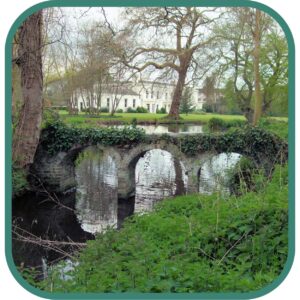
Jim Linwood, CC BY 2.0, Wikimedia Commons
Why it works
Surrounded by meadows, a rose garden, trees and the gentle sounds of birdsong and running water, the park offers a rare sense of getting away from it all whilst still in London. Entry to the park is completely free.
What children can do
- Riverside walking routes and open fields
- Natural play area with log stepping-stones, swing, zip wire and climbing cargo net.
- Two cafés with children’s options (can get busy), or plenty of space to bring a picnic
- Second-hand bookshop with lots of children’s books
What worked for us
A genuinely low-pressure day out, as there’s so much open space that it never feels crowded. Free entry removes the sense that you need to “make a full day of it,”. While the cafés and shop areas can get quite busy during school holidays, it’s always easy to step away into the wider gardens, woodland and riverside paths where things quickly feel much calmer and more spacious.
Practical information
Visit the website: Morden Hall Park
Hughenden (Buckinghamshire)

Mike Peel, CC BY-SA 4.0, Wikimedia Commons
Why it works
This National Trust estate has over 600 acres of woodland, parkland and more formal gardens which area all packed with outdoorsy things to do, even if you don’t make it into the house.
What children can do
- Woodland walks, open parkland (note there are resident cows!), and short marked trails.
- Natural play area created from giant fallen logs with walkways, a climbing rope and stepping stones.
- Second-hand bookshop with lots of children’s books
- Lovely National Trust Café with pick-your-own kids lunchboxes, sausage rolls and epic cakes and scones. You can also get food to take out if its easier to eat outside in the grounds.
What worked for us
The family map which we picked up as we arrived was a great way to plan the day with lots of outdoor ideas. A fun day of den-building and woodland walks, popped into the church which was quiet and cool, spent ages browsing in the second hand bookshop and finished with cake from the café. A lovely National Trust day out!
Practical information
Visit the website: Hughenden
Eltham Palace & Gardens (South East London)
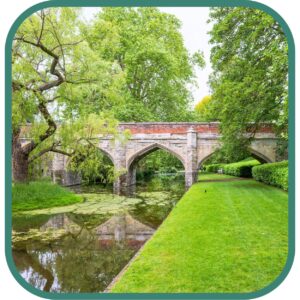
Tilman2007, CC BY-SA 4.0, Wikimedia Commons
Why it works
Just a stone’s throw from central London, the palace is on a compact site that balances indoor areas with gardens to explore, walks by the moat, and play areas.
What children can do
- A lovely outdoor space with gardens, a moat and a good themed playground
- A short visit inside the place is worth it (though can be busy) – have fun looking for the lemurs around the rooms, and the Medieval hall is breathtaking.
- Children’s menu in the Greenhouse Café (on busy days it can be a bit noisy and hot – but quieter days might be manageable), or bring a picnic and eat in the gardens.
What worked for us
We visited in two short bursts and spent most of our time outdoors. The palace itself was busy with a one-way system, but we were glad to see the interiors and the “hunt for lemurs” kept the kids engaged. The café was crowded, so we’d have brought a picnic next time, but the grounds and moat were lovely and it still felt worth it even as a shorter visit.
Practical information
Visit the website: Eltham Palace
🍃 Large parks & outdoor calm near London
Royal Botanic Gardens, Kew (West London)

Rosco1011, CC BY-SA 4.0, Wikimedia Commons
Why it works
Kew Gardens works particularly well for families who benefit from space, structure and the option to move at their own pace. Spread across 326 acres, it offers a calm, open environment where it’s easy to step away from busier areas if needed. Children can explore a mix of outdoor spaces and interactive learning zones, giving them freedom to move, observe and engage without feeling confined or overwhelmed.
What children can do
- Children’s Garden Play Area runs special quiet sessions once a month which are perfect for those who prefer to avoid crowds. Check website for more details.
- Huge spaces of open lawns and woodlands for exploring and getting away from crowds
- Treetop walkway (18m above ground so may not suit all families)
- Glasshouses and plant zones
- Many cafés and restaurants – the Family Kitchen in particular has a great menu, and offers takeaway food if eating outside is easier
What worked for us
There’s so much to do at Kew that it really suits a wide range of families. The glasshouses are worth a quick visit but can feel more crowded and intense than the outdoor spaces, which are calmer and more spacious. We easily filled a full day and still didn’t see everything, while the children’s areas are excellent but noticeably quieter outside peak school holidays.
Practical information
Visit the website: Royal Botanic Gardens, Kew
Royal Greenwich Park + Museums
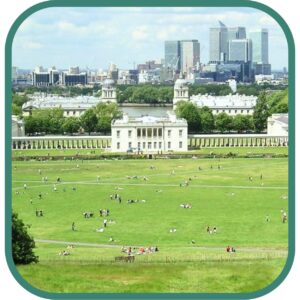
Sebjarod, Public Domain, Wikimedia Commons
Why it works
Greenwich Park is famous for its dramatic scenery and famous views over the capital. It is worth a visit on its own for a low-pressure sightseeing visit or picnic spot, but can also be paired with any of the excellent Royal Museums for a full day out – the Royal Observatory, Cutty Sark, National Maritime Museum or Queen’s House.
What children can do
- Greenwich Park wide open spaces and a great picnic spot with incredible views across the London skyline.
- Royal Observatory (paid entry), the home of Greenwich Mean Time – stand on the world-famous Prime Meridian Line. They run special SEND sessions, quieter planetarium shows, and all staff are autism-trained.
- National Maritime Museum (free) – interactive galleries that can be crowded during peak times. Look out for relaxed opening times and Sensory Explorers Backpacks with ear defenders and fidget toys.
- Cutty Sark ship (paid) – a great attraction, but can get crowded. Look out for their SEND-friendly early opening times which are quieter and much more relaxed.
What worked for us
We really enjoyed the Royal Observatory which was busy (we couldn’t make the relaxed sessions), but the planetarium and Meridian Line were a hit with the kids. A relaxed picnic in the park overlooking the London skyline was a great way to unwind in the sunshine before the journey home.
Practical information
Visit the website: Royal Museums Greenwich
Windsor Great Park + Windsor Castle (Berkshire)

Smithr32, CC BY-SA 4.0, Wikimedia Commons
Why it works
Windsor Great Park offers a wide, flexible landscape with buggy-friendly lakeside paths, open lawns for picnics, and an award-winning adventure playground. It can easily be paired with Windsor Castle, but if queues or crowds feel overwhelming, the park still gives you a strong sense of royal history (and the chance to spot red deer!) at a calmer pace. Time your visit for the Changing of the Guard for a memorable (and free) highlight.
What children can do
- Explore Windsor Great Park’s wide paths, open lawns and lakeside walks at a relaxed pace
- See Windsor Castle from the outside and take in the scale of the historic royal setting without needing to go inside
- Watch the Changing of the Guard for a memorable (and free) spectacle of ceremony and tradition
- Spot red deer roaming in the parkland, which can be a real highlight for children
- Enjoy a picnic in Windsor Great Park or stop for lunch in Windsor town, depending on energy levels and how the day is going
What worked for us
We ended up walking miles without really noticing, as there was so much to take in. The Changing of the Guard was memorable but a little overwhelming, and it was easy to simply step away and continue into the park. It felt like a really special day out with a strong sense of history, but without the pressure of pre-booked tickets or rigid plans.
Practical information
Visit the website: Windsor Great Park
Richmond-upon-Thames & Richmond Park + Mystery Treasure Trail

Jim Osley, CC BY-SA 2.0, Wikimedia Commons
Why it works
Richmond works especially well for families who enjoy having flexibility and plenty of space to move around without a rigid schedule. Combining riverside walks, Richmond Park’s open landscapes and deer spotting with a Treasure Trail adds just enough structure and purpose to keep children engaged without the day feeling overstimulating or overly busy.
What children can do
- Walk or cycle through Richmond Park’s wide open landscapes and woodland paths
- Look out for the park’s famous red and fallow deer from a safe distance
- Watch boats and ducks along the riverside and stop for snacks or ice cream nearby
- For older children, follow a Richmond Treasure Trail around the town or park, solving clues and spotting landmarks along the way
- Explore playgrounds, open green spaces and quieter picnic spots throughout the area
- Choose between a more active day of walking and exploring, or a slower-paced riverside afternoon depending on energy levels
What worked for us
We really enjoyed the Richmond Park Treasure Trail which got us on a much longer walk that we would have managed without the distraction! Then finished up in Richmond-upon-Thames for lunch and watching boats on the river. A chilled and memorable day out.
Practical information
Visit the website: Treasure Trail: Richmond-upon-Thames or Treasure Trail: Richmond Park
🍃 Best All-in-One Calm Days Out (Indoor + Outdoor Mix)
Verulamium Park & Museum + St Albans Cathedral (Hertfordshire)

Marathon, CC BY-SA 2.0, Wikimedia Commons
Why it works
Verulamium is one of the easiest “all-in-one” calm days out near London because it naturally combines wide open parkland, a small museum, and a historic cathedral within walking distance. The layout means you can shift between outdoor space and indoor calm environments without needing to travel between separate destinations, which reduces transition stress and keeps the day flexible. It also tends to feel more spacious than central London attractions, even at busier times.
What children can do (and family-friendly features)
- Explore large open parkland and lake with plenty of space to move freely
- Visit Verulamium Museum with Roman artefacts, mosaics, and interactive displays – ask at the desk for sensory backpack with ear defenders
- Pop in to St Albans Cathedral (a large but calm indoor space with free entry, ideal for a short visit)
- Easy access to the shops and cafés of St Albans
- Or stay in the park for quieter café stops and picnic-friendly areas
What worked for us / honest considerations
St Albans worked really well for us as a flexible day out with plenty of options to dip in and out of. We spent time in the park and around the lake, which was great for space and movement, and found the cathedral particularly helpful as a calm reset when things started to feel a bit busy. Verulamium Museum felt small and manageable on a lower-energy day, and we enjoyed the cathedral café as a quieter stop, with lots of other easy food options in town if needed.
Practical information
Visit the website: Verulamium Museum and St Albans Cathedral
Painshill Park (Surrey)

Ian Capper, CC BY-SA 2.0, Wikimedia Commons
Why it works
Painshill Park’s expansive 158-acre landscape offers plenty of open space to escape crowds, level pathways for easy navigation, and the restorative, sensory experience of its famous Crystal Grotto.
What children can do
- Gentle walking routes through gardens seeing caves, bridges, and follies
- The Crystal Grotto is a memorable sensory experience with sparkling stalactites, though note it is quite dimly lit.
- The café does get busy and bustling at peak times, but there are plenty of picnic areas and open spaces
What worked for us
A very low-pressure day out in nature with lots to see. The Crystal Grotto was a highlight. We were glad to have taken a picnic as the café was busy with fairly long queues.
Practical information
Visit the website: Painshill Park
Little Venice (Paddington Basin)

David Dixon, CC BY-SA 2.0, Wikimedia Commons
Why it works
The leafy, tranquil waterways of Little Venice offer a welcome retreat from the hustle and bustle of central London. However, do note that the open water could be dangerous for children who struggle with safety boundaries. Watching the narrowboats manoeuvre through locks can provide hours of calm entertainment.
What children can do
- Canal-side walking
- Watching boats and seeing the locks fill and empty can be really entertaining for neurodiverse children.
- Optional short boat trips
- Lots of cafés and ice cream vans
What worked for us
We spent a happy couple of hours wandering along the canal. Watching the boats and locks kept everyone entertained for much longer than anticipated, and there were plenty of places to pick up an ice cream or have a sit down when needed.
Practical information
Visit the website: Little Venice
RHS Wisley (Surrey)
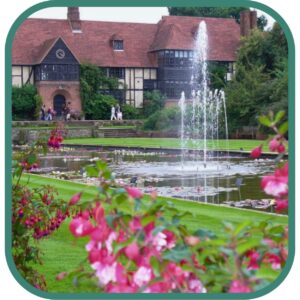
Colin Smith, CC BY-SA 2.0, Wikimedia Commons
Why it works
RHS Garden Wisley is a great destination for a peaceful day out. Set across 240 acres, it offers a mix of tranquil nature walks and dedicated kids’ activities, which means you can set the pace of your day as you go.
What children can do
- Explore themed gardens and spot unusual plants from around the world
- Pop in to the Glasshouse with its tropical plants and indoor waterfall
- Enjoy the Back to Nature Garden with sand play, climbing areas, swings and slides
- Wander through the vast Rock Garden’s winding paths and streams
- Look out for relaxed, quiet sessions for seasonal events (such as the RHS Glow light show) to minimise crowds, noise, and bright lights.
What worked for us
A very relaxed, flexible day out with plenty of space to slow the pace when needed. We found it worked particularly well to visit the Back to Nature Garden and glasshouses later in the afternoon when they were noticeably quieter, and taking a picnic made the whole day feel calmer and less pressured.
Practical information
Visit the website: RHS Wisley
🍃 Animal attractions
ZSL London Zoo (Regent’s Park)

pelican from Tokyo, CC BY-SA 2.0, Wikimedia Commons
Why it works
London Zoo works well because the exhibits are spread across a large outdoor setting, making it easier to move at your own pace and take breaks between busier areas. The mix of animal encounters, playground spaces and quieter pathways means families can adapt the day depending on energy levels and sensory needs.
What children can do
- Watch penguins swimming and feeding time
- Walk through the Land of the Lions (gets busy)
- Visit the Reptile House to see snakes, crocodiles and amphibians up close (Harry Potter filming location)
- Enjoy the playgrounds, including Animal Adventure for younger children with climbing and water play
- Explore wide open pathways and quieter zones of Regent’s Park between busier exhibits.
- Download the Penguin Pass which works as a queue hopper, allowing families who find waiting in line difficult to bypass queues at popular exhibits.
- Look out for relaxed tours outside of regular public hours, providing a much calmer, quieter environment.
What worked for us
The zoo was quite crowded during the summer holidays, so we avoided trying to see everything and instead picked a shortlist of our top five animals (lions, tigers, gorillas, hippos and giraffes) to keep the day more manageable. Arriving later in the day around lunchtime also helped, as the most popular exhibits were noticeably quieter and it felt easier to move at our own pace.
Practical information
Visit the website: London Zoo
Battersea Park Children’s Zoo

Chris K, CC BY-SA 2.0, Wikimedia Commons
Why it works
A small and friendly zoo that works well for a shorter, lower-pressure day out. Its mix of small animals, interactive areas and nearby park space means children can engage at their own pace while still having the option to step away into quieter green surroundings if things feel overwhelming.
What children can do
- Meet a range of small farm and exotic animals
- Hands-on feeding experiences and close-up animal encounters
- Adventure playground with climbing equipment and space to burn off energy
- Move between the zoo and Battersea Park’s wider green spaces for breaks and downtime
What worked for us
This is particularly well suited to younger children, although it can feel busy during peak times. We found it worked best to see the animals in the morning, have a reasonably priced lunch at the café, then skip the play area and head into Battersea Park itself for some quieter space and a calmer finish to the day.
Practical information
Visit the website: London Zoo
🍃 Museums and indoor calm spaces
Natural History Museum (South Kensington)

Floriel, CC BY 2.5, Wikimedia Commons
Why it works
This huge museum might not feel like an obviously calm day out, but actually has strong accessibility options and calmer out-of-hours experiences like the free “Dawnosaurs” sessions, which allow exploration without the usual crowds and include relaxed activities such as crafts, LEGO and specimen handling. It helps to book a timed entry, use the quieter side entrance opposite the V&A if needed, and start in lower-stimulation areas like the Investigate Centre or Vault before visiting the busier Hintze Hall and Dinosaur galleries.
What children can do
- Stand beneath the giant blue whale skeleton in Hintze Hall
- See dinosaur skeletons and fossils in the Dinosaur gallery
- Take part in interactive science exhibits in the Investigate Centre
- Handle real specimens and join creative activities during relaxed sessions like Dawnosaurs
- Enjoy quieter, darker spaces like the Vault for a calmer, lower-sensory experience between busier exhibits
What worked for us
We booked a later timed entry slot (3pm), which felt noticeably calmer than we expected. Treating it as a shorter two-hour afternoon visit and focusing on just a few highlights, rather than trying to cover the entire museum, made the experience feel far more manageable and enjoyable. Next time we would love to try the Dawnosaurs relaxed openings as they sound fabulous.
Practical information
Visit the website: Natural History Museum
Horniman Museum & Gardens (Forest Hill)
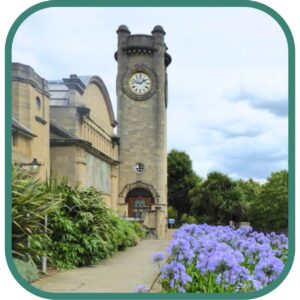
Pam Fray, CC BY-SA 2.0, Wikimedia Commons
Why it works
This lovely museum works really well for neurodiverse families because it combines manageable indoor exhibits with large outdoor spaces, making it easy to move between stimulation and calm. The aquarium, musical instrument gallery and nature displays offer plenty to engage curious children, while the gardens and open viewpoints provide space to reset and slow the pace when needed.
What children can do
- Explore the Natural History Gallery, including the stuffed walrus and animal displays (note this gallery does get crowded – plan to visit first thing or later in the day)
- Visit the Aquarium to see colourful fish and underwater habitats (also gets busy)
- Walk through the Nature Trail for a calmer outdoor sensory experience, and the Animal Walk to meet goats, sheep, guinea pigs, rabbits, chickens and alpacas.
- Borrow sensory backpacks, ear defenders and tactile maps from the ticket desk.
- Attend quieter “Bright and Early” relaxed opening sessions designed for neurodiverse children.
- Spend time in the gardens for open space and breaks between exhibits, and the Nature Play Area to let off steam.
What worked for us
The exhibits really engaged our children, although the museum was busier than expected so we kept our time in the main Natural History Gallery short. They were especially drawn to the World and Music Galleries, while we skipped the Butterfly House due to heat and crowds; the play area was also busy, but the gardens, nature trail and animal walk offered a much calmer contrast that makes it hard to believe you’re still in London. Next time, we’d definitely opt for a “Bright and Early” relaxed session to enjoy it all at a slower pace.
Practical information
Visit the website: Horniman Museum
Science Museum (South Kensington)

The wub, CC BY-SA 4.0, Wikimedia Commons
Why it works
You’d be forgiven for thinking the Science Museum doesn’t belong in a list of ‘Quiet Days Out’, but in fact it is highly accommodating of neurodiverse families, with dedicated sensory-friendly events, sensory maps, and special resources to minimise overwhelm. The exhibits are just so inspiring and engaging that it is really worthwhile to make a visit.
What children can do
- Explore interactive galleries covering space, engineering, forces and sound with hands-on exhibits throughout
- Watch live science shows and demonstrations (best timed for quieter periods where possible)
- Try Wonderlab’s interactive experiments, slides and activities, ideally during Early Birds for a calmer experience
- Use sensory maps and borrow ear defenders to help navigate and manage noise levels
- Join Early Birds sessions for reduced crowds, lower noise and a more relaxed start to the day
- Take part in SENsory Astronights for a unique, low-sensory overnight museum experience
What worked for us
The Early Birds session was fantastic, and we spent most of the time in Wonderlab, which is absolutely worth it when it’s quieter. Once general admission opened, we moved on to some of the calmer exhibits, stayed a few hours in total, and found it a really memorable visit — a great way to experience the museum without too much pressure and overwhelm.
Practical information
Visit the website: Science Museum
Final thoughts
There is no single “perfect” way to plan a day out when balancing sensory needs, energy levels, and family life.
What has made the biggest difference for us is choosing places that allow flexibility without pressure — where the day can naturally shift between quiet moments, open space, and indoor or outdoor options depending on how things feel in real time.
Shorter visits, changing plans on the go, and not feeling like you need to “do everything” often lead to much more enjoyable days overall.
Some days will still feel easier than others, and that unpredictability is part of real life. The aim isn’t consistency — it’s choice, control, and space to adapt.
Having a shortlist of calmer, flexible places within reach of London can make planning feel far less overwhelming and more enjoyable over time.
FAQs about calm days out near London
National Trust estates, large parks, riverside walks, and sensory-friendly museums like the Science Museum and Horniman Museum are some of the best calm days out near London because they offer space, flexibility, and indoor–outdoor options.
Large open spaces such as Richmond Park, Windsor Great Park, Kew Gardens, and Painshill Park tend to feel the least crowded, especially outside peak times and school holidays.
Yes. The Natural History Museum, Science Museum, and Horniman Museum all offer relaxed sessions, sensory resources, quieter entry times, and accessibility support for neurodiverse visitors.
Early mornings, late afternoons, and dedicated relaxed sessions (such as Early Birds or Dawnosaurs) are usually the quietest times to visit.
Shorter, flexible visits often work better. They reduce overwhelm and allow families to adapt plans based on energy levels throughout the day.
Museums and special sessions usually require booking, while parks and estates are generally flexible and can be visited without advance tickets.
Space, flexibility, quiet areas, and the ability to switch between indoor and outdoor environments all help make days out more manageable.